
The short version: After 20 years flying bush planes and Dreamliners, Paula Johnson started a tour operator business with no trade experience. She built Southern Drift Travel on Waybird from day one — no spreadsheets to unlearn, no payment process to fix later. Her first booking confirmed within six months, and she now has four journeys booked with more in the pipeline.
Starting a travel business with no experience is rarely a strategy — usually it’s a constraint. Paula Johnson treated it as both.
Most operators come to Waybird after years of doing it the hard way — chasing payments over email, wrestling spreadsheets, watching slicker competitors win the booking. Paula Johnson came from the opposite direction. After twenty years in aviation — flying bush planes into remote safari strips across Southern Africa, then Dreamliners across Asia and Oceania — she launched Southern Drift Travel with no prior tour-operating experience, no existing systems, and no bad habits to unlearn. She signed up with Waybird the same month she started the business and built it on the platform from day one.
This is the story of starting a travel business with no experience, and building it right the first time because there was no bad habit to unlearn.
Who are you and what does your company do?
I’m Paula Johnson, founder of Southern Drift Travel. We’re a bespoke expedition-travel consultancy based in Cape Town, designing journeys across Africa, Asia and the Americas — safari, sea and the open road. Before this I spent twenty years flying: bush pilot work into remote airstrips, then long-haul as an international pilot. Fifty-eight countries, all seven continents. Southern Drift is what happens when you’ve seen most of the world from the cockpit and decide you’d rather help other people reach it properly.
You came to travel from a completely different career. What made you start Southern Drift?
Flying gave me two things: a long list of places I’d actually been, and a low tolerance for trips that waste people’s time. I wanted to build something around real expeditions — depth over comfort, journeys for people who know the difference between a great lodge and a great trip. The catch was that I knew the destinations cold, but I knew nothing about running a travel business. Quoting, proposals, payments, the whole operational machinery — that was the part I had to learn from scratch.
You signed up with Waybird right at launch, before you’d sent a single proposal. Why?
I wanted the system in place before I had the problem. Most people cobble together spreadsheets and PDFs, hit a wall, and then go looking for something better. I didn’t want to build a mess and then have to rip it out. Starting on Waybird meant the foundation was there from day one — I could build the business on top of it instead of around it.
What was onboarding like with no industry background?
This is the part I’m most grateful for. I wasn’t just learning software, I was learning the trade itself, and the Waybird team understood that. They didn’t hand me a login and wish me luck. They walked me through how proposals actually work, how to structure an itinerary, what clients expect to see, how the commercial side fits together. For someone coming in cold, that guidance was worth as much as the platform.
How did the team support you beyond the software itself?
They became a sounding board. When I wasn’t sure how to price something, or how to present an itinerary, or whether I was approaching a client the right way, I could just ask. It never felt like a support ticket. It felt like having people in my corner who’d done this before and wanted me to get it right.
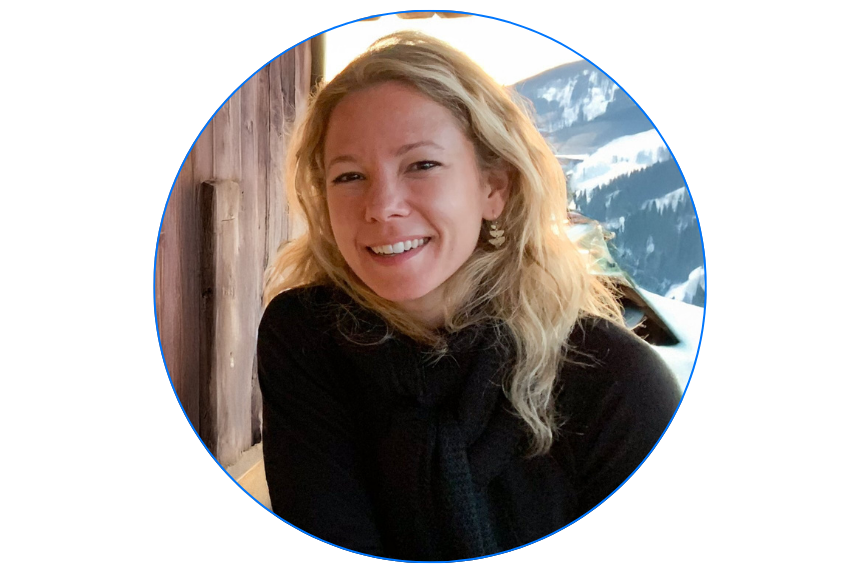
Paula Johnson, Founder of Southern Drift Travel
Talk us through getting to your first booking.
I signed up in July and spent the back half of the year building properly — the brand, the website, my first itineraries, getting fluent on the platform. My first booking confirmed in January. There’s nothing quite like watching a real client commit to a journey you’ve built from nothing. That gap between signing up and that first booking wasn’t waiting around; it was laying foundations. When the booking came, everything was ready to handle it.
You’ve never done this another way. How has Waybird shaped how you work?
Operators who switch platforms always talk about their “before.” I don’t have one. My instincts as a travel consultant were formed on Waybird — how I structure a proposal, how I think about a client journey, how I keep the operational side clean. It’s not the tool I moved to. It’s the way I learned to work.
You’re a brand-new business. How has the platform affected how clients see you?
This mattered more than I expected. When you’re new, you’re asking people to trust you with serious money and serious time off. A polished, interactive proposal does a lot of that credibility work for me. Clients can’t tell I sent my first one only months ago — it reads like the work of an operation that’s been at this for years. That levels the field against far bigger names.
Payments and collections — you built that in from the start. How’s that worked?
I never had to invent a payment process and then fix it later. Multi-currency, deposits, automated reminders — all built in from my first proposal. I’ve genuinely never chased a payment over an awkward email, because I never had to set up the awkward version in the first place.
What hesitations did you have going in?
Honestly, the worry wasn’t the platform — it was me. Could someone with no travel-trade background actually pull this off? Having a system I trusted, and a team I could lean on, took a whole category of doubt off the table. It let me focus on the part I’m actually good at.
Where are you now?
Four journeys confirmed and a handful more in the pipeline. For a business that didn’t exist eighteen months ago, run by someone who’d never written a proposal, that’s solid ground. The trajectory is what I care about, and it’s pointing the right way.
Let’s talk timeline — how did the first year actually unfold?
- Signed up with Waybird: July, before the business had a website or a single itinerary
- Building phase: Six months — brand, website, first itineraries, getting fluent on the platform
- First proposal sent: Within months of starting
- First booking confirmed: January
- Current state: Four journeys confirmed, more in the pipeline
- Payment processes “fixed later”: Zero — built correctly from the first proposal
What would you say to someone else starting out in travel?
Two things. Get your operational side sorted before you need it — don’t try to learn the trade and build all your systems in the same panicked week. And lean on the people who actually know the industry. I asked a lot of questions, and it cut my learning curve down by what felt like a year.
What’s next for you with Waybird?
More journeys, more terrains, more clients. The plan is to grow Southern Drift without the admin growing at the same rate, and Waybird scales with that. It means I get to spend my time on the expeditions — which is the whole reason I started.
Frequently asked questions
Can you start a travel business with no experience?
Yes. Paula Johnson launched Southern Drift Travel after a 20-year aviation career, with no tour-operating background. What made it work was putting her operational setup in place before the first client, and leaning on people who already knew the trade to shorten the learning curve.
What software do new tour operators use?
Paula built Southern Drift on Waybird from launch — creating interactive proposals, structuring itineraries, and handling multi-currency payments, deposits and automated reminders, instead of stitching together spreadsheets and PDFs.
How long does it take to get your first booking as a new operator?
For Southern Drift it was about six months. Paula signed up in July, spent the back half of the year building her brand, website and first itineraries, and confirmed her first booking in January.
